

Caregivers
The person beside the patient is part of the story, too.
Caregiving can change your routines, relationships, responsibilities, and sense of yourself. You may be helping someone you love while carrying questions and needs of your own.
This page is for you as a person—not only for the role you have taken on.

START WHERE YOU ARE
What matters most right now?
You may need something different from one day to the next. Start with what feels most useful right now.
Understand what you’re feeling
Make room for the emotions caregiving can bring—including the ones you did not expect.
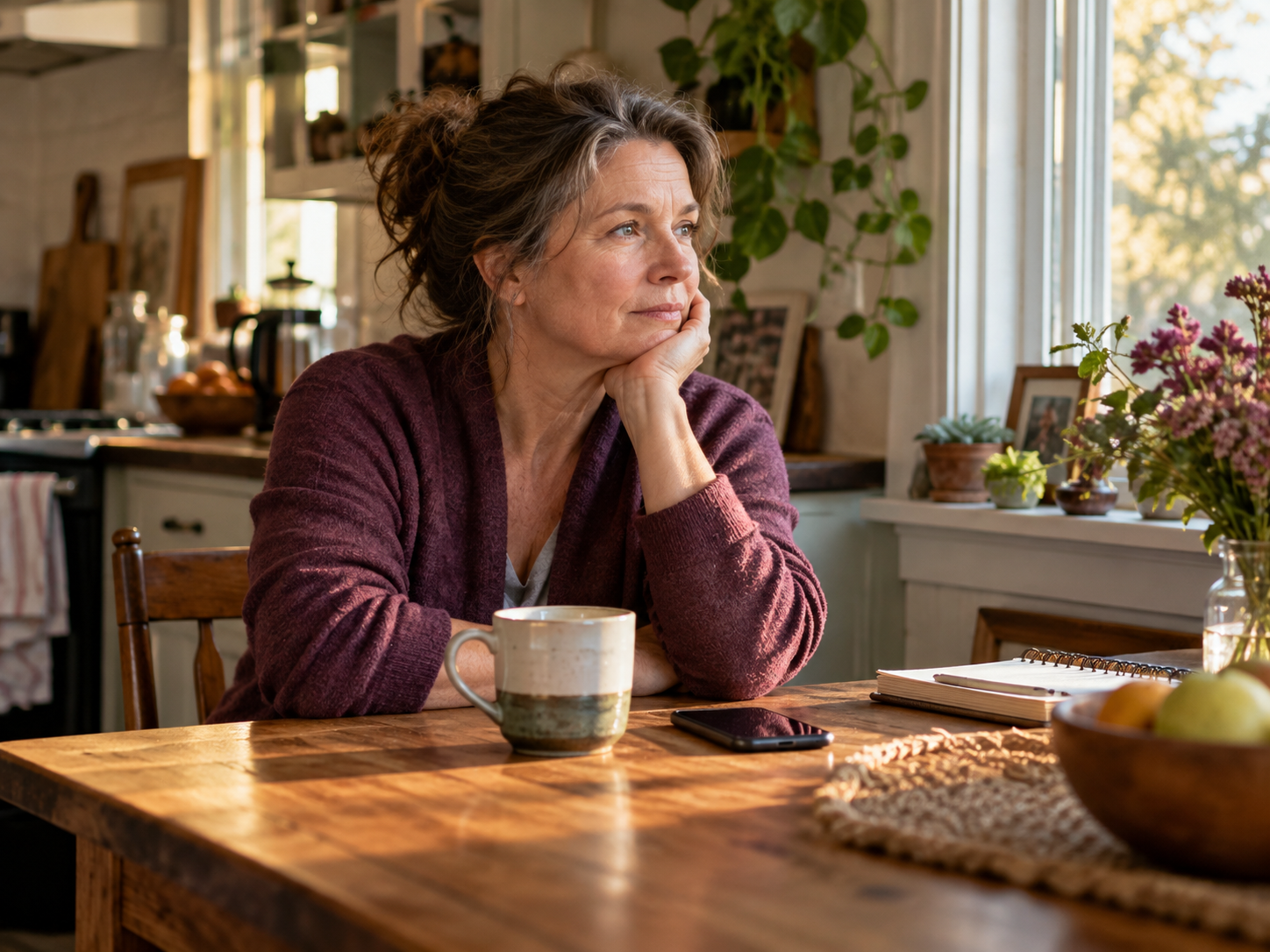
Find your place in their care
Support the person you love while respecting their voice, choices, and independence.

Make everyday help easier
Find practical ways to share responsibilities, ask for help, and make support easier to receive.

Make room for yourself
Remember that your own life, relationships, and well-being still matter.

UNDERSTAND WHAT YOU’RE FEELING
Caregiving can bring more than one feeling.
Caring for someone with cancer can hold love, worry, hope, frustration, grief, and exhaustion—sometimes all in the same day. You may be focused on what needs to be done and only notice your own feelings when there’s finally a little room to breathe. However they show up, those feelings are part of your experience, too.
You can love someone and still find caregiving hard.
A REFLECTION TO CONTINUE WITH
The Person Beside the Patient
Caregivers are part of the cancer story too. Patty’s Reflection considers the fear, practical work, relationship changes, and identity that can sit alongside caring for someone you love.
FIND YOUR PLACE IN THEIR CARE
There’s a place for you in their care.
The person receiving care remains an active participant. Your support can help keep their voice and priorities present—by listening, helping prepare for appointments, sharing observations, or talking together about what feels right. Your role can change as needs change.
Being part of their care starts with understanding what kind of support they want.
Questions you can talk through together
What kind of support would feel helpful right now?
How would you like me to share questions or observations with your care team?
What matters most to you as you consider this decision?
Would it help to talk through options together, or would you prefer time to think first?
When should we check in about whether our approach still feels right?
Would you like me to join an appointment, take notes, or help prepare?
A VIDEO CONVERSATION
The Value of Shared Experience

Scott and Patty talk about what patients and caregivers can learn from one another—and how shared experience can inform decisions without dictating them.
MAKE EVERYDAY HELP EASIER
You don’t have to keep every detail in your head.
Cancer care can bring appointments, calls, decisions, and practical tasks into an already full life. It may help to keep the next steps in one place—and sort out what needs your attention, what can wait, and what someone else could take on.
A few questions to consider:
What needs my attention today?
What’s coming up next?
What question or information do I want to bring to the next appointment?
What could wait until later?
Is there a task I’d like someone else to handle?
What would help me protect a little time or energy for myself?
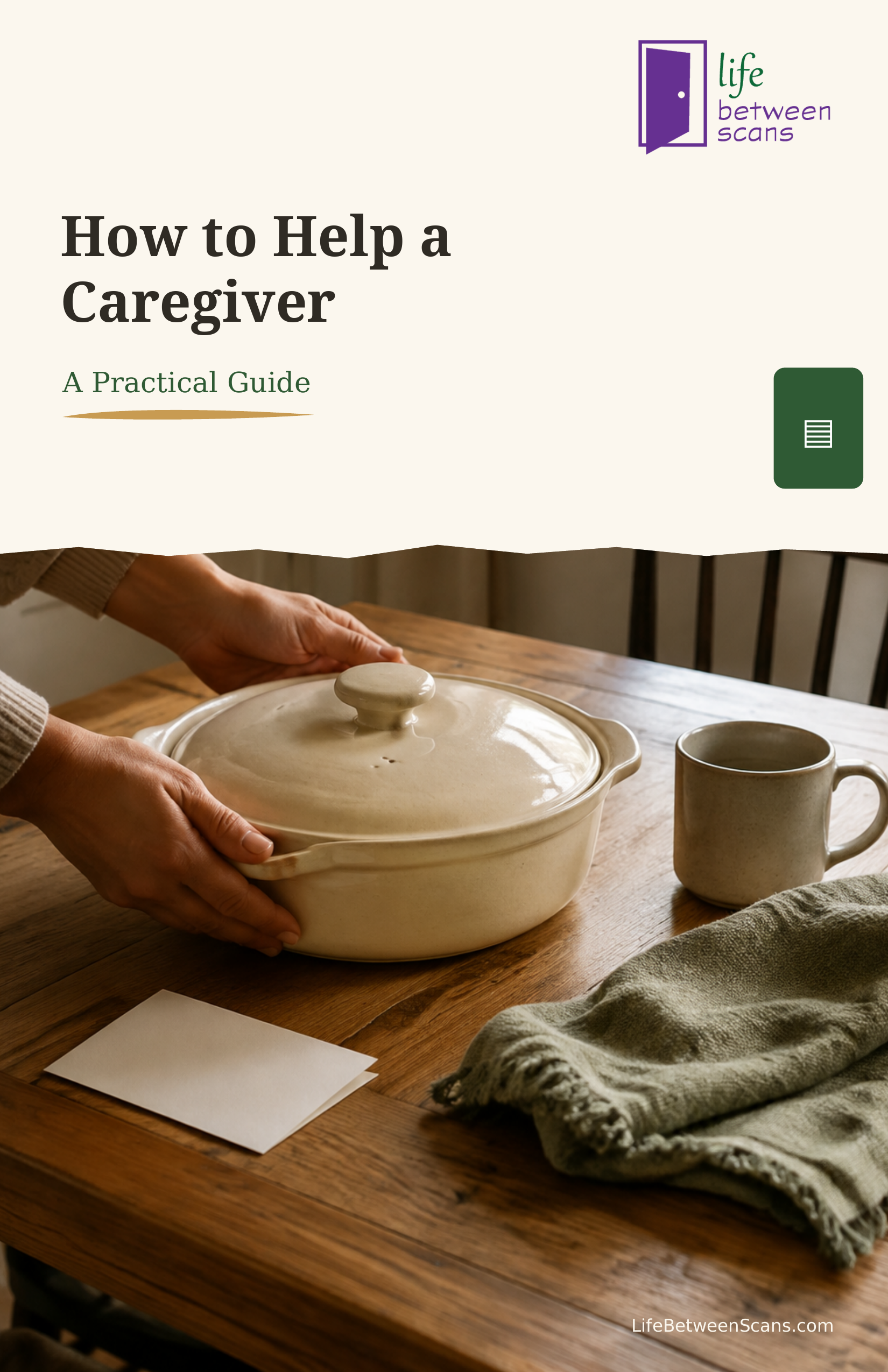
A PRACTICAL GUIDE
How to Help a Caregiver
If it’s hard to explain what would help, this guide offers practical ideas you can share with people in your life.
A SHORT VIDEO
Let Me Know
A short conversation about turning ‘let me know’ into support you can actually use.
MAKE ROOM FOR YOURSELF
Your needs still matter.
Caregiving can take up a lot of your time and energy. It’s okay to make room for things that help you feel like yourself, even when that room is small. A pause, a conversation, or a little help with one task can make a difference.
A quick check-in for yourself:
What has been taking the most energy lately?
What helps me feel like myself?
Is there something I can ask someone else to take on?
Who can I talk to honestly about how I’m doing?
What’s one small thing I’d like to make time for?
A REFLECTION
The Person Beside the Patient
Caregiving can affect your feelings, relationships, and sense of self. Patty reflects on caring for someone she loves while making room for her own experience.
IF YOU’RE NOT SURE WHERE TO START
You don’t have to figure it all out at once.
Some days, it may be hard to know what would help most. You might be carrying several things at once, or simply need a place to pause and see what feels useful. Start with one small step—or explore these resources when you’re ready.

NEWLY DIAGNOSED
Supporting someone newly diagnosed?
A cancer diagnosis affects the people close to the person, too. Explore the Newly Diagnosed page for guidance on understanding what’s happening, preparing for what comes next, and finding a place to start.